
If you own a boat and are considering an upgrade, a trade-in may let a dealer apply the value of your current boat toward another purchase. The basic idea resembles a vehicle trade-in, although marine values, loan payoffs, and transaction details can vary.
1. Understand your current boat's value
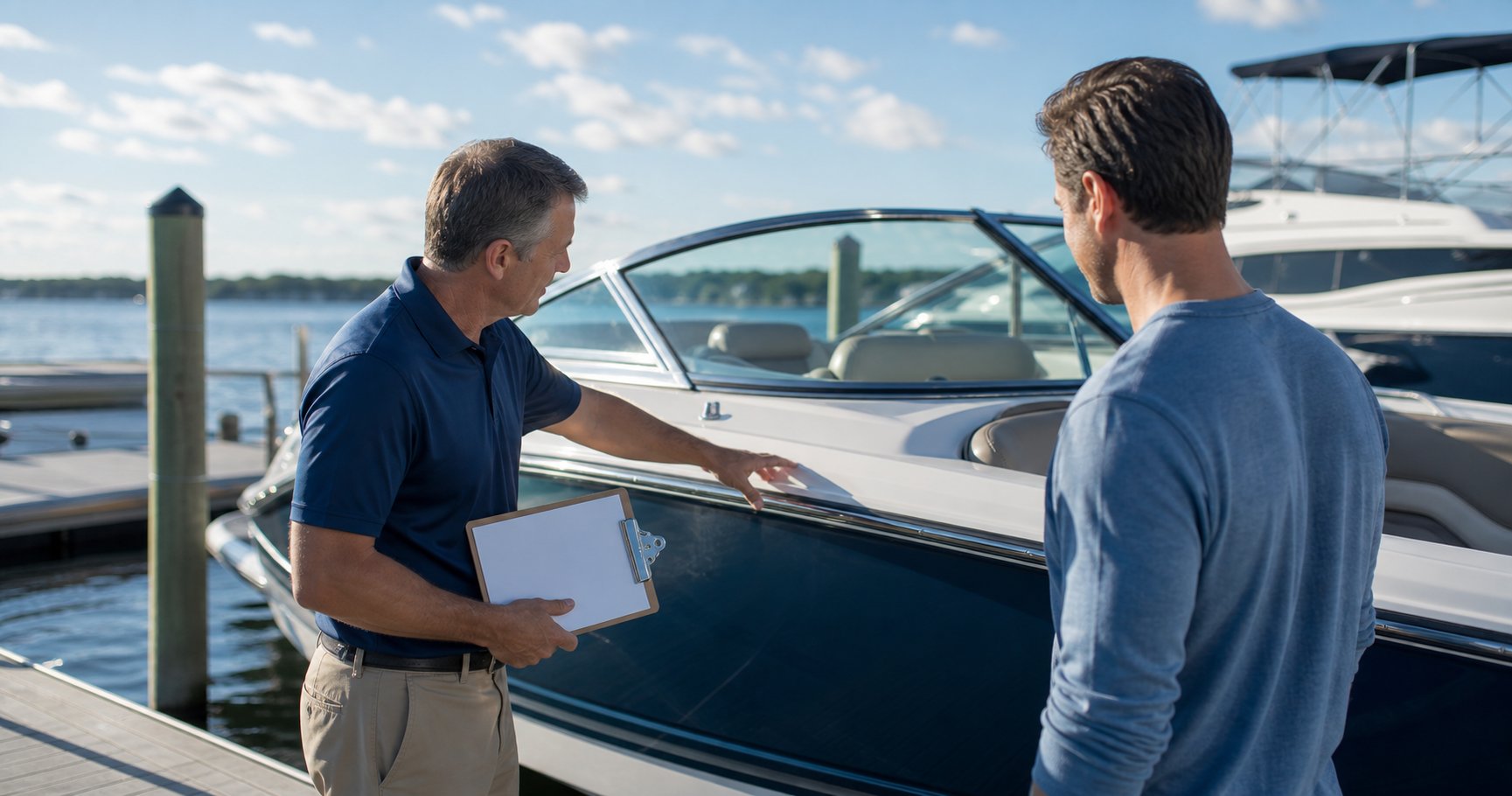
A dealer may evaluate the year, make and model, engine hours, condition, maintenance history, equipment, accessories, and current market demand.
A trade-in offer may differ from the potential proceeds of a private sale because the dealer assumes the work, expense, and risk involved in reselling the boat.
2. Review your current loan balance
If the boat is financed, request the current payoff amount from the loan servicer. That amount may differ from the balance shown on a regular statement and can change as interest accrues.
3. Compare trade-in value and payoff
Positive equity
If the boat is worth more than the amount owed, the difference may potentially be applied toward the next purchase.
Negative equity
If the payoff is higher than the trade-in value, the remaining balance must be addressed as part of the transaction and financing review. Whether it can be included in a new transaction depends on lender guidelines and the full application.
Know your options before you shop
Reviewing financing early can help you understand how a trade-in and existing payoff may affect your next purchase.
Start your application4. Choose your next boat
Once you understand your current boat's value and your equity position, compare the next boat's purchase price, potential down payment, trade-in allowance, estimated financing amount, and ownership costs.
5. Review financing options
The final structure depends on the boat, requested amount, borrower qualifications, lender guidelines, and other underwriting considerations. Avoid relying on a payment estimate until the full transaction has been reviewed.
Is a trade-in right for everyone?
Not necessarily. Some owners value the convenience of a dealer trade-in, while others prefer a private sale. The right option depends on timing, value, effort, risk tolerance, and financial circumstances.
Next, compare the considerations for a new boat versus a used boat.
This article is for general educational purposes and is not financial, legal, or tax advice. Trade-in values, payoff treatment, financing terms, and approval requirements vary by transaction.
← Back to all resources